MFR Kit MFR Kit Birmingham, UK

Support / Help Centre

Frequently Asked Questions About MFR and Mobility

Find answers to common questions regarding our products, shipping, and how to effectively use your new mobility tools. We aim to provide clear, practical information to help you get the most out of your purchase from MFR Kit.

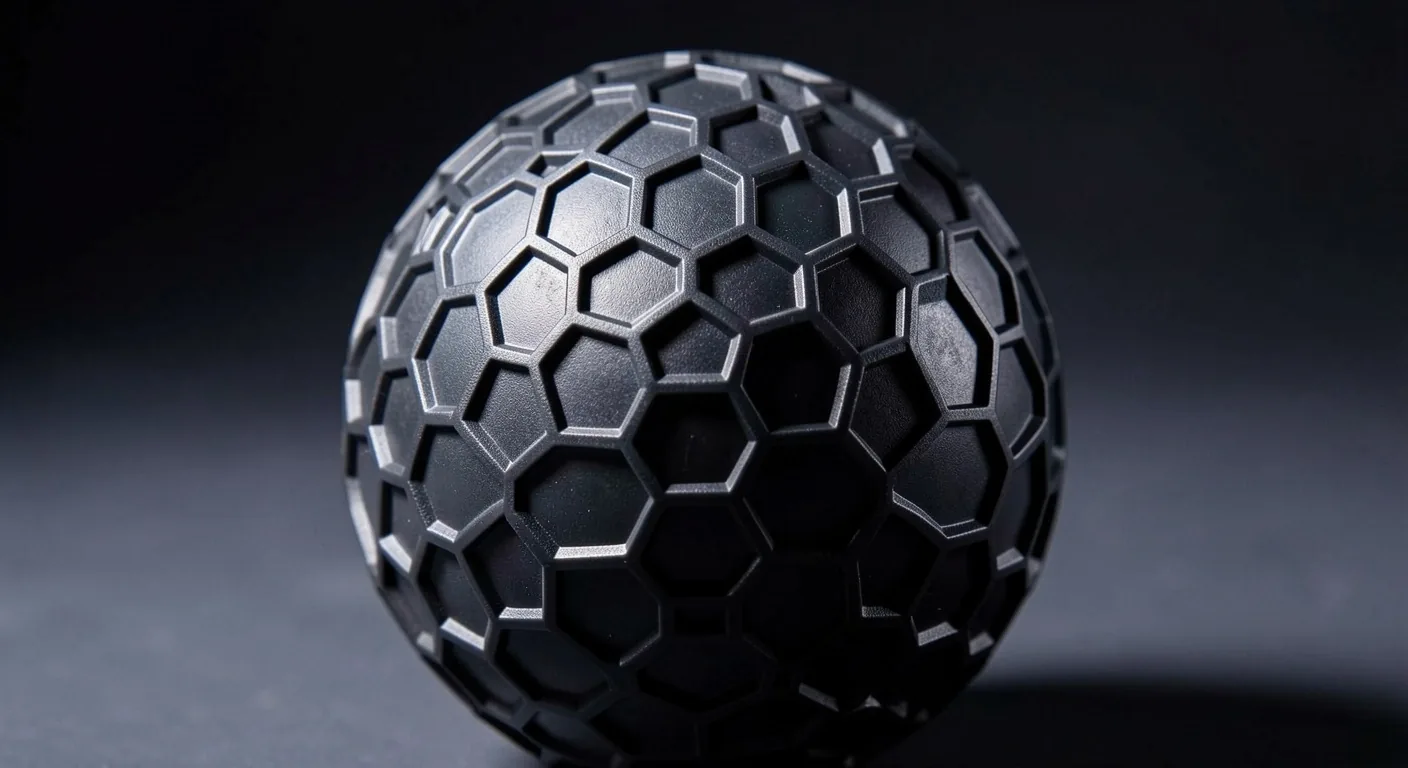
Textured foam roller close-up with dramatic lighting
01

Product Usage & Care

How do I clean my foam roller or yoga mat?

Most of our equipment can be cleaned with a damp cloth and a mild, non-abrasive soap. It is important to let your mat or roller air dry completely before rolling it up or storing it to prevent the buildup of odours and bacteria. Avoid using harsh chemicals that could degrade the foam or grip surface.

For a yoga mat or pilates mat used during sweaty sessions, a quick wipe-down after each workout keeps the grip surface in good condition. Let it dry flat or draped over a chair rather than folded or rolled while damp.

Dense muscle massage rollers with knurled or grid-textured surfaces benefit from a soft-bristled brush to clear debris from the grooves. Let the roller stand upright in a well-ventilated spot until fully dry before storing.
02

Shipping & UK Delivery

How long does delivery take within the UK?

We process orders quickly from our Birmingham location. Standard delivery typically takes 3 to 5 business days, while express options are available for those who need their recovery gear sooner. You will receive a tracking number as soon as your order leaves our facility.

Orders placed before midday Monday to Friday are usually packed and dispatched the same day. Weekend orders are processed on the next working day. If you live in a remote part of the UK, standard delivery may take the full five business days to arrive.

Every parcel ships with a tracking link by email, so you can follow your myofascial release tools from our Edgbaston warehouse to your door. If your tracking link has not arrived within two business days of ordering, reach out to us at [email protected] and we will look into it right away.

03

Beginners & MFR

Is foam rolling supposed to be uncomfortable?

It is common to feel some intensity when rolling over tight muscle knots, but it should never be sharp. If you are a beginner, start with a softer roller and apply less body weight until your tissues become accustomed to the pressure. The goal is to encourage the muscle to relax, not to cause significant distress.

Learning how to release muscle knots takes a bit of patience. When you find a tender spot, pause on it for 20 to 30 seconds, breathe steadily, and let your weight settle gradually. The sensation should ease as the tissue softens. If it stays sharp or radiates, ease off the pressure or move to a gentler surface.

For stretching for beginners, the same principle applies. A routine that builds gradually helps you improve flexibility without overloading unprepared tissue. Short, consistent sessions are more productive than occasional intense ones.

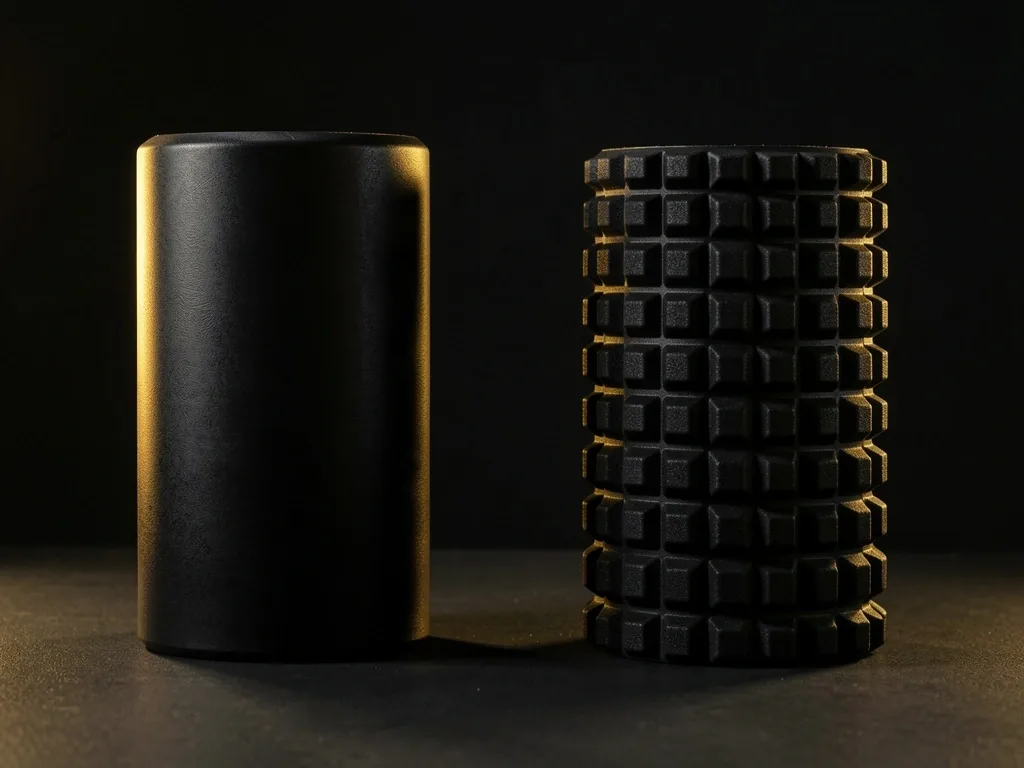
Smooth and textured foam roller comparison
04

Choosing Equipment

What is the difference between a smooth and a textured roller?

A smooth roller provides even pressure across the muscle, which is great for general recovery. A textured roller, or one with trigger point grids, is designed to mimic the fingers of a massage professional, providing more targeted pressure to specific knots and deeper tissue layers.

If you are new to foam rolling exercises, a smooth foam roller lets you cover large muscle groups comfortably and build confidence. Once your tissues adapt, a textured model lets you zero in on stubborn areas like the upper back and calf bands.

For focused work, massage balls and a peanut massage ball deliver concentrated pressure to smaller zones such as the neck base and the muscles along the spine. Pair them with a roller for a more complete post workout recovery routine.

05

Resistance Band Safety

How do I know when to replace my fitness bands?

You should inspect your bands before every use for small nicks, tears, or discolouration. Even high-quality bands can wear out over time with frequent stretching. If you see any signs of damage, replace the band immediately to avoid the risk of it snapping during a workout.

Store resistance bands and fitness bands away from direct sunlight and heat sources, as UV exposure and high temperatures shorten the life of the latex. A quick visual check along the full length takes only a few seconds and catches problems before they become a safety issue.

With regular use, expect to replace a band every 12 to 18 months. Heavier-tension bands used for lower-body work tend to last longer than light bands stretched to their maximum for upper-body routines. If a band feels brittle, has lost its snap, or shows powderiness on the surface, retire it regardless of visible damage.

06

Order Inquiries & Support

What should I do if my product arrives damaged?

We take great care in packaging our items, but if something arrives in less-than-perfect condition, please contact us at [email protected] within 48 hours. Include your order number and a photo of the damage so we can arrange a replacement for you as quickly as possible.

Photos of both the product and the outer packaging help us identify what went wrong in transit and improve how we protect fragile items like back support cushion units and rigid knee support sleeve shells. We will respond with return instructions or a replacement confirmation within one working day of receiving your message.

Still need help

Could not find your answer?

If none of the questions above cover what you need, our team is ready to help. Reach out with details about your order or the product you are considering, and we will get back to you during our working hours.